

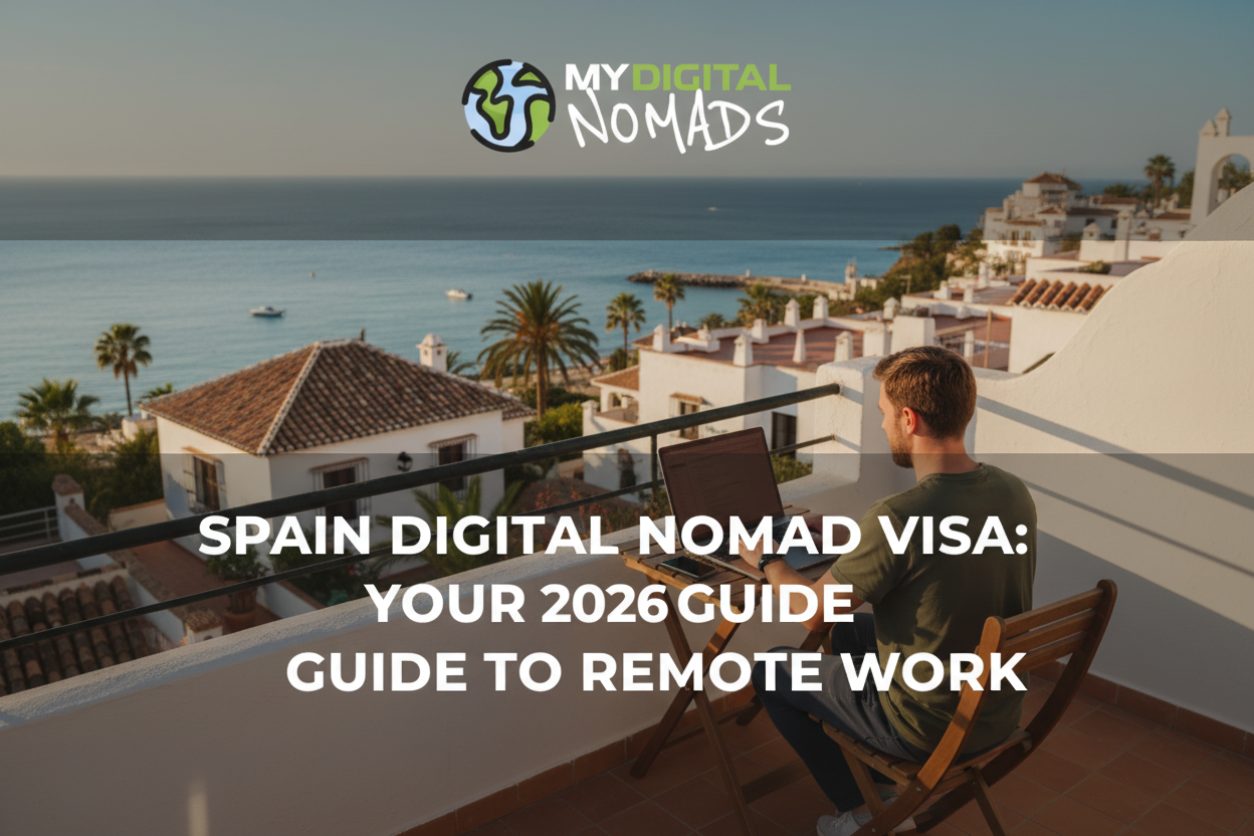
Spain. Just the name conjures images of sun-drenched beaches, ancient architecture, incredible food, and a pace of life that actually lets you *live*. For years, the idea of truly living and working from Spain as a digital nomad felt like a complicated dance around short-stay visas. But then, something wonderful happened: the Spain Digital Nomad Visa.
This visa, fully implemented and now well into its stride in 2026, has been a game-changer for remote professionals like us. It’s not just another entry stamp; it’s a clear invitation from a country that understands the value of long-term remote talent. If you’ve been eyeing Europe for your next big move, and the thought of tapas for lunch every day sounds appealing, then this is the visa you need to know about.
Why Spain, and Why Now?
Spain has always been a magnet for travelers. Its diverse regions offer everything from the bustling city life of Barcelona and Madrid to the serene beaches of the Canary Islands and the historic charm of Andalusia. The cost of living, while variable, remains competitive compared to many other Western European nations, especially when you step outside the major hubs.
For independent contractors and remote employees, the Spain Digital Nomad Visa removes many of the uncertainties that used to plague long-term stays. No more visa runs, no more guessing if you’re overstaying your welcome. This visa provides a solid legal framework, allowing you to settle in, contribute to the local economy, and truly immerse yourself in the culture for up to five years. It’s a huge win for anyone serious about making a European base.
Who Qualifies for the Spain Digital Nomad Visa?
The visa is specifically designed for non-EU/EEA citizens who can work remotely. The core idea is that your income comes from outside Spain. Here’s a breakdown of the typical requirements:
- You must be an independent contractor or a remote employee. This means your work isn’t tied to a Spanish company, at least not predominantly. If you’re working for a company outside Spain, they can’t be Spanish. If you’re a freelancer, 80% of your income needs to come from clients outside Spain. This is a key distinction.
- Proof of sufficient income. This is non-negotiable. Spain wants to know you can support yourself. In 2026, the minimum income requirement is tied to the national minimum wage (SMI), generally requiring you to earn at least 200% of Spain’s SMI. For a single applicant, this usually means demonstrating an income of around €2,500-€3,000 per month, though it’s always best to check the most current figures on official sources like the Spanish Ministry of Foreign Affairs (Ministerio de Asuntos Exteriores, Unión Europea y Cooperación). Additional funds are required if you’re bringing family members.
- Work experience or qualifications. You’ll typically need to prove at least three years of professional experience in your field, or have a relevant degree (university or vocational training).
- Clean criminal record. Standard stuff. No serious offenses from the last five years in Spain or any country you’ve lived in.
- Private health insurance. You need comprehensive private health insurance that covers you throughout Spain. This isn’t optional.
- No prior overstays or illegal stays in Spain. If you’ve had issues with Spanish immigration before, it could be a problem.
Remember, we’re not legal or tax advisors. This is general information, not professional advice. Always consult a qualified professional for your specific situation. Immigration rules can be complex and change.
The Application Process: A Quick Overview
The application for the Spain Digital Nomad Visa can be done either from your home country (through a Spanish consulate) or directly from Spain (if you’re already there on a tourist visa, you have 90 days to apply).
1. Gather your documents. This is the most time-consuming part. You’ll need your passport, proof of income (bank statements, contracts, invoices), proof of employment/client contracts, educational certificates, criminal record checks, health insurance policy, and sometimes a letter from your employer/clients confirming remote work. 2. Submit your application. Either in person at a consulate or online through the Spanish Ministry of Inclusion, Social Security and Migration portal. 3. Wait for approval. Processing times vary, but typically range from a few weeks to a couple of months. 4. Get your visa and apply for your TIE. Once approved, you’ll receive your visa. If you applied from Spain, you’ll then need to apply for your TIE (Tarjeta de Identidad de Extranjero), which is your actual residence card, within a month of your visa being approved. This is your official ID in Spain.
The initial visa is usually granted for one year, and then you can renew it for up to five years, provided you still meet the requirements. It’s a fantastic long-term option for those seeking stability. You can learn more about the formal requirements and application process on the official Spanish government gazette (Boletín Oficial del Estado – BOE).
Tax Implications for Contractors
This is where it gets a little nuanced. As an independent contractor on the Spain Digital Nomad Visa, you’ll generally be considered a tax resident in Spain if you spend more than 183 days a year in the country.
However, the visa offers a special tax regime, often called the “Beckham Law,” for qualifying individuals. This allows you to be taxed as a non-resident for your first six years, meaning you’ll pay a flat income tax rate of 24% on your Spanish-sourced income up to €600,000, instead of the higher progressive rates residents usually face. This can be a significant advantage.
Again, this is complex stuff, and tax laws change. We strongly recommend speaking with a Spanish tax advisor *before* you apply for the visa to fully understand your obligations and potential benefits. It’s an investment that will save you headaches down the line.
Living and Working in Spain
Once you have your Spain Digital Nomad Visa, the country truly opens up. You get to experience the warmth of Spanish culture, improve your language skills, and connect with a thriving international community.
Managing client relationships across different time zones can be a challenge, but it’s one we know well. Check out our post on Mastering Client Relationships as a Digital Nomad: Strategies for Building Trust Across Borders for some solid advice.
Spain has excellent internet infrastructure in most urban areas, and co-working spaces are plentiful. You’ll find a strong network of fellow remote workers, especially in cities like Valencia, Malaga, and the popular Canary Islands. While the romantic image of working from a tiny village is appealing, ensure you have reliable internet if you choose a more rural setting.
Like any major life change, moving to a new country comes with its own set of adjustments. It’s not always a postcard-perfect existence. There are unique challenges to being a digital nomad, and adjusting to Spanish bureaucracy or the slower pace of life can take some getting used to. But for many, the trade-offs are more than worth it.
Ready to take the plunge? If the idea of living your best work-from-anywhere life in Spain sounds like your kind of adventure, then the Spain Digital Nomad Visa is your ticket. It’s a fantastic opportunity to combine professional growth with an incredible quality of life. Start exploring today and become a nomad. Spain is waiting.