

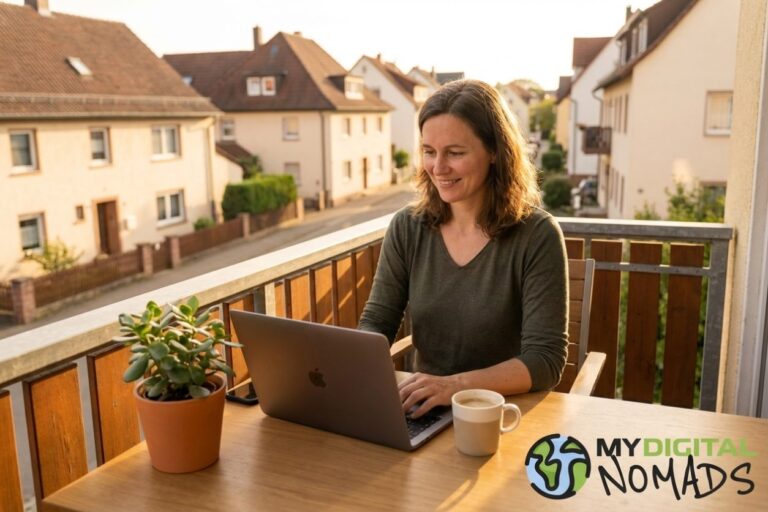
The Reverse Commute: Why Digital Nomads Are Settling Down
For years, the image of the digital nomad was synonymous with constant movement: a new city every month, a different country every quarter. We chased new experiences, new co-working spaces, and new passport stamps. And for a long time, that was the dream. But something has shifted. In 2026, we’re seeing a growing trend, one I like to call the “reverse commute”: digital nomads settling down, at least for a while.
It might sound counter-intuitive. Aren’t we supposed to be perpetually wandering? Well, the truth is, the definition of “nomad” is evolving. It’s less about perpetual motion and more about freedom and flexibility. And for an increasing number of us, that freedom now includes the choice to put down temporary roots.
The Burnout Factor: When Constant Travel Becomes a Grind
Let’s be honest: ceaseless travel is exhausting. The thrill of exploring a new place can quickly fade when you’re constantly packing, unpacking, navigating unfamiliar public transport, and trying to find a reliable Wi-Fi signal. I’ve been there. That feeling of waking up in a new Airbnb and having to re-learn where the nearest grocery store is, where the decent coffee shop is, and how to operate the washing machine – it adds up.
Many digital nomads, after a few years of this high-octane lifestyle, hit a wall. The mental load of constant relocation can overshadow the benefits. You spend more time on logistics and less on deep work or truly enjoying your surroundings. This burnout is a significant driver for digital nomads settling down for longer stretches. It’s about finding a sustainable pace.
Building Deeper Connections: Beyond Transient Friendships
One of the often-cited downsides of the traditional nomad lifestyle is the difficulty in forming lasting relationships. You meet amazing people, share incredible experiences, and then, inevitably, someone moves on. While there’s beauty in these transient connections, humans are wired for deeper bonds.
When digital nomads settling down in one place for six months, a year, or even longer, they gain the opportunity to build a real community. They can join a local gym, find a regular coffee shop where the barista knows their order, or participate in a weekly hobby group. These small, consistent interactions are surprisingly powerful in combating the loneliness that can sometimes creep into the remote work lifestyle. If you’ve ever struggled with this, you know how important it is to build meaningful connections on the move, and sometimes that means moving a little less.
Cost of Living: Making Your Money Go Further
The global cost of living has been a hot topic since 2022, and it continues to influence our choices. While some destinations are still incredibly affordable, many popular nomad hubs have seen significant price increases. Constantly moving often means paying short-term rental premiums, which can quickly erode your savings.
By choosing to stay in one location for an extended period, digital nomads can often secure better long-term rental rates, negotiate cheaper utility bills, and even benefit from local discounts. This strategic approach to minimizing expenses allows contractors to stretch their income further, making their work more financially viable. It’s a pragmatic decision that helps sustain the digital nomad dream without constantly chasing the lowest daily rate. Sites like Numbeo offer a good way to compare costs when considering a longer stay.
The Pursuit of Routine and Stability
While spontaneity is thrilling, a lack of routine can be detrimental to productivity and well-being. Many digital nomads, myself included, thrive on a certain level of predictability. Having a dedicated workspace, a consistent sleep schedule, and a reliable internet connection can make a world of difference to work quality.
When digital nomads settling down, they can establish routines that support both their work and personal lives. This might mean finding a favorite co-working space, setting up a proper home office, or simply having a consistent morning ritual that doesn’t involve deciphering a new coffee machine. This stability can lead to increased focus, better client relationships (which you can learn more about by mastering client relationships as a digital nomad), and a greater sense of overall calm.
Visa Realities and Remote Work Policies
The global visa landscape for digital nomads is still evolving. While more countries are introducing specific digital nomad visas, many still rely on tourist visas, which usually have time limits. Constantly hopping from country to country to reset visa clocks can be tiresome and, frankly, risky.
Beyond visas, companies are also refining their remote work policies. Some prefer their contractors to have a stable base, even if it’s abroad, for tax and compliance reasons. This isn’t legal advice, but rather an observation of how the landscape is changing. As independent contractors, we are responsible for our own legal, tax, and insurance arrangements. It’s always wise to consult qualified professionals for your specific situation.
Embracing “Slow Travel”
The “reverse commute” is really an extension of the slow travel movement. It’s about experiencing a place more deeply, beyond the tourist hotspots. It’s about learning some of the local language, understanding the culture, and truly integrating, even temporarily.
This approach allows for a richer, more meaningful travel experience. Instead of just ticking off sights, you get to live like a local. You discover hidden gems, make local friends, and gain a more nuanced perspective on the world. This is a far cry from the unique challenges of being a digital nomad who is always on the go.
Is the Reverse Commute for You?
The beauty of the digital nomad lifestyle is its adaptability. There’s no one-size-fits-all approach. For some, the thrill of constant movement will always be the primary draw. For others, the increasing appeal of digital nomads settling down in one location for a while offers a much-needed balance of adventure and stability.
If you’re feeling the travel fatigue, craving deeper connections, or simply want to stretch your budget further, perhaps it’s time to consider the reverse commute. It’s not about giving up the nomad life; it’s about defining it on your own terms, finding a rhythm that works for you, and truly making the world your flexible, evolving home.